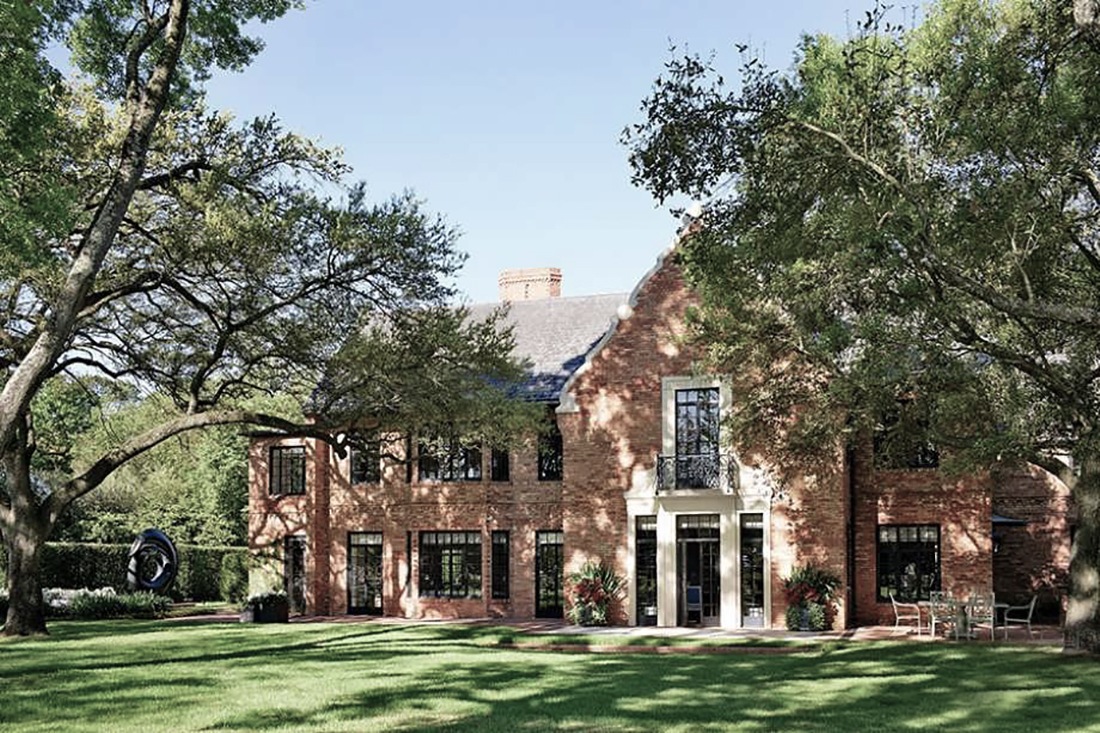
Thad Hayes
The precision of restraint
Thad Hayes creates interiors defined by light, proportion and a carefully edited selection of furniture and art. A restrained palette brings texture into focus, while the space around each object gives it a clear presence.

Light, texture and proportion
Neutral tones and strong architectural lines establish a quiet framework. Furniture from different periods adds depth without overwhelming the composition. Natural light brings out variations in surfaces, making material and finish central to the experience of the room. For a project built around a narrow material palette, the Fasano Side Table from the Mapswonders furniture collection combines a marble surface with an open metal frame. It offers texture at close range while allowing space beneath the tabletop to remain visible.
Space around the object
Hayes’s work demonstrates how restraint can give an interior greater definition. A chair, artwork or sculptural table gains presence when it is positioned with care. The balance depends on both the objects selected and the intervals between them. For a related exploration of light and restraint, read our portrait of Axel Vervoordt and his approach to interiors.
The interiors of Thad Hayes
The space left between objects is an active part of a composition. A table can feel more sculptural when its outline is easy to read. Likewise, an artwork may gain presence against a quieter wall. Begin by identifying the pieces that deserve this attention, then review what surrounds them.
A restrained palette also benefits from differences in texture. Compare the effect of a matte surface with a polished one, or a closely woven fabric with a more tactile material. Next, look at how daylight changes those relationships during the day. Evening lighting can introduce another layer of depth through carefully placed pools of light. These small decisions help a calm room retain interest without relying on a large number of decorative objects. For the evening layer, the Parma Floor Lamp in the Mapswonders lighting collection offers an antique brass finish and a slim jointed arm. Consider its position beside a seat to create a local focus within an otherwise quiet arrangement.
Gallery images 1, 2: © Architectural Digest, Thad Hayes
Gallery image 3: © Architectural Digest, Thad Hayes · Rizzoli & Thad Hayes


Thad Hayes: the discipline of a carefully edited room
Thad Hayes founded his Manhattan interior design practice in 1985 following experience in landscape design. His interiors often bring antique furniture, contemporary objects and deliberately restrained backgrounds together. Architectural Digest’s 2014 AD100 study identifies his interest in Japanese architecture and Zen gardens and the combination of tactile material with organic shapes. These references help explain the room’s atmosphere without reducing it to a fashionable neutral palette.
The client and the existing collection come first
In a 2009 Architectural Digest interview, Hayes describes spending time in a client’s previous home, measuring rooms and documenting existing art, furniture and the practical needs of the household before drawing the new scheme. His emphasis on storage, ease of use and wellbeing is an important corrective to interior photographs that present restraint as an absence of belongings.
The Tailored Interior and architectural composition
His book The Tailored Interior (2009) suggests the precision of well-made clothing: proportions, fit, clarity and selectively chosen details. Architectural Digest’s 2012 profile describes interiors that combine objects of different eras while retaining calm through careful arrangement. Projects for clients including Leonard Lauder and Marc Jacobs show that this approach can accommodate distinct architecture and collections.
Design lessons: spaces that work, not just rooms that photograph well
A balanced room needs circulation, places for objects, seating that supports conversation and light that renders materials faithfully. Hayes’s research-led approach places these decisions ahead of decorative novelty. A useful comparison is the material editing in Axel Vervoordt’s interiors, while recognising that their practices draw on different cultural and historical contexts. Sources: AD 2009, AD 2014.